
Which Home Repairs Are Worth It Before You Sell in Warner Robins? (And Which Aren't)
Not every repair pays you back at closing. Some fixes will make your house sell faster and for more money — others are a waste of your time and cash before you list. Here's how to tell the difference in the Warner Robins, Bonaire, Kathleen, and Perry market right now, and the three items that can quietly cost you the whole deal if you skip them. This is one piece of getting ready — for the full rundown of what to handle before you list, see 3 Things You Must Do Before You List Your House.
Watch: Repairs That Make You More Money When Selling Your Home
Repairs You Can Probably Skip
Buyers today are more practical than they get credit for. Small cosmetic stuff — a scuffed baseboard, a dated light fixture, a room that needs a coat of paint in a color you'd never pick — usually doesn't move the needle enough to justify the time or cost before you list. If a repair only affects how a room "feels" and doesn't affect how it functions or inspects, it's usually not worth chasing before you sell. Where your money is better spent is on how the house presents online — and that starts with avoiding the listing photo mistakes that cost sellers thousands.
Repairs You Can't Skip
Anything that's going to show up on a standard home inspection report is worth handling before a buyer ever walks through the door. Buyers (and their inspectors) notice functional problems immediately, and once it's on a report, it becomes a bargaining chip against you at the table — usually costing more there than it would've cost you to just fix it upfront. Knowing what you're willing to give up before that conversation happens is its own skill; see How to Negotiate the Best Deal When Selling Your House in Middle Georgia for how that plays out.
The Repairs With the Best Actual Return
If you're going to spend money before you sell, put it where the data says it actually pays you back:
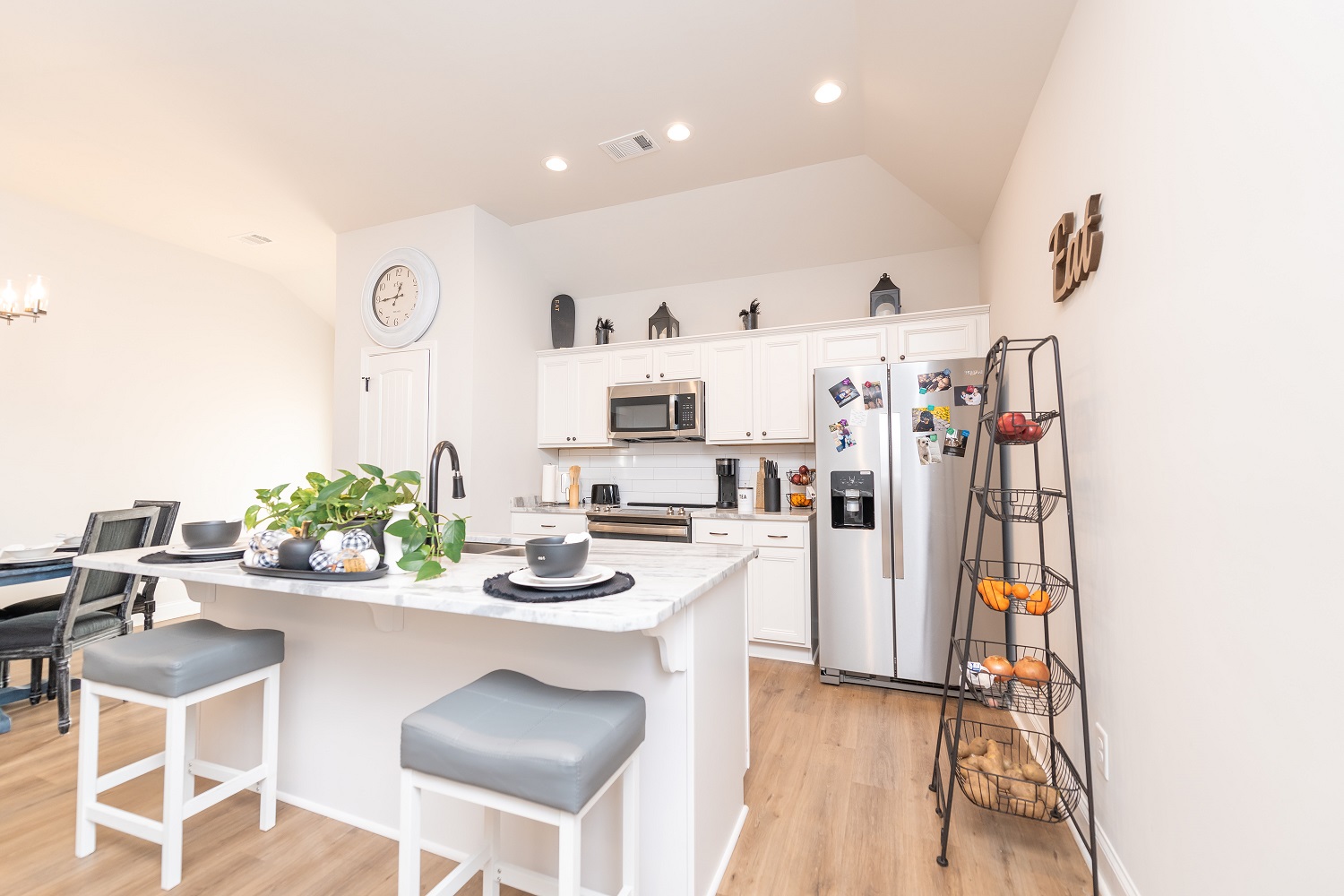
A minor kitchen refresh — new hardware, paint, updated fixtures, not a full gut job — recoups roughly 95–113% of its cost at resale, according to Remodeling Magazine's Cost vs. Value Report. A full kitchen remodel, by comparison, typically recoups only 40–60%.
A minor bathroom update — reglazing or replacing a dated vanity, new fixtures, fresh caulk and grout — recoups around 70–74%.
Kitchens and bathrooms are the two rooms buyers scrutinize the hardest when they walk a house, so that's exactly where a modest, well-targeted repair dollar goes the furthest. And once repairs are handled, how you price the house is the next lever — I break that down in How to Price Your House to Sell Fast in a Slow Warner Robins Market. If you're weighing repair spend against current conditions, it also helps to know whether home prices are actually dropping in Warner Robins right now.
The Three Big-Ticket Items You Can't Ignore
Three things will stop a deal faster than anything else if they're not addressed before you list:
Foundation issues — even a repaired foundation needs documentation. Buyers' lenders and inspectors want to see it was fixed correctly and won't recur.
Roof condition — an aging or damaged roof is one of the first things an inspector flags, and one of the fastest ways to lose a buyer's confidence in the rest of the house.
Water damage — past or present, water issues get more scrutiny than almost anything else on an inspection. If you've had storm damage, check whether it's still covered under an insurance claim before you pay out of pocket.
A Real Example of Why "Fixed" Isn't Always Fixed
I've seen a foundation repair that looked complete on the surface re-crack within a year — because the underlying issue was never fully resolved, just patched. That's the risk with big structural repairs: a receipt for the work isn't the same as proof the problem is actually gone. Get documentation, and if you're not sure the fix was done right, get a second opinion before you list.
How to Prioritize If You Have a Long List
If money or time is tight, work in this order: fix anything that will show up on an inspection first, then put remaining dollars into a minor kitchen or bathroom refresh, and skip the purely cosmetic stuff unless it's cheap and quick. That order gets you the most protection against a renegotiated price and the most return on what you do spend. Before you write any of it off, ask your accountant whether the cost is deductible — see Georgia Home Sale Tax Strategies, a CPA interview I did on exactly that. Once repairs and pricing are dialed in, the last piece is exposure — see How to Get More Buyers to See Your House For Sale for that side of the equation.
Frequently Asked Questions
Do I have to fix everything before I sell my house in Warner Robins?
No. Focus on anything that would show up on a home inspection report — those are the items most likely to cost you money in negotiations later. Purely cosmetic items are optional.
What home repair gives the best return before selling?
A minor kitchen refresh typically gives the best return, recouping 95–113% of its cost, followed by a minor bathroom update around 70–74%. Full remodels of either room usually return far less.
What repairs can hurt a home sale if I skip them?
Foundation issues, roof condition, and water damage are the three that cause the most problems — they're the items inspectors flag first and buyers negotiate hardest around.
Is it worth fixing a foundation crack before selling?
Yes, but make sure it's actually fixed, not just patched. A documented, warrantied repair holds up under buyer and lender scrutiny; a cosmetic patch can re-crack and create bigger problems during the sale.
Related Reading
How to Price Your House to Sell Fast in a Slow Warner Robins Market
3 Things You Must Do Before You List Your House in Middle Georgia
How to Get More Buyers to See Your House For Sale in Warner Robins
How to Negotiate the Best Deal When Selling Your House in Middle Georgia
If you're weighing whether a repair is worth it before you list — or whether it makes more sense to sell as-is — reach out and I'll walk through your specific house with you. Call Chris Tillman at (478) 273-8880 or schedule a consultation.