
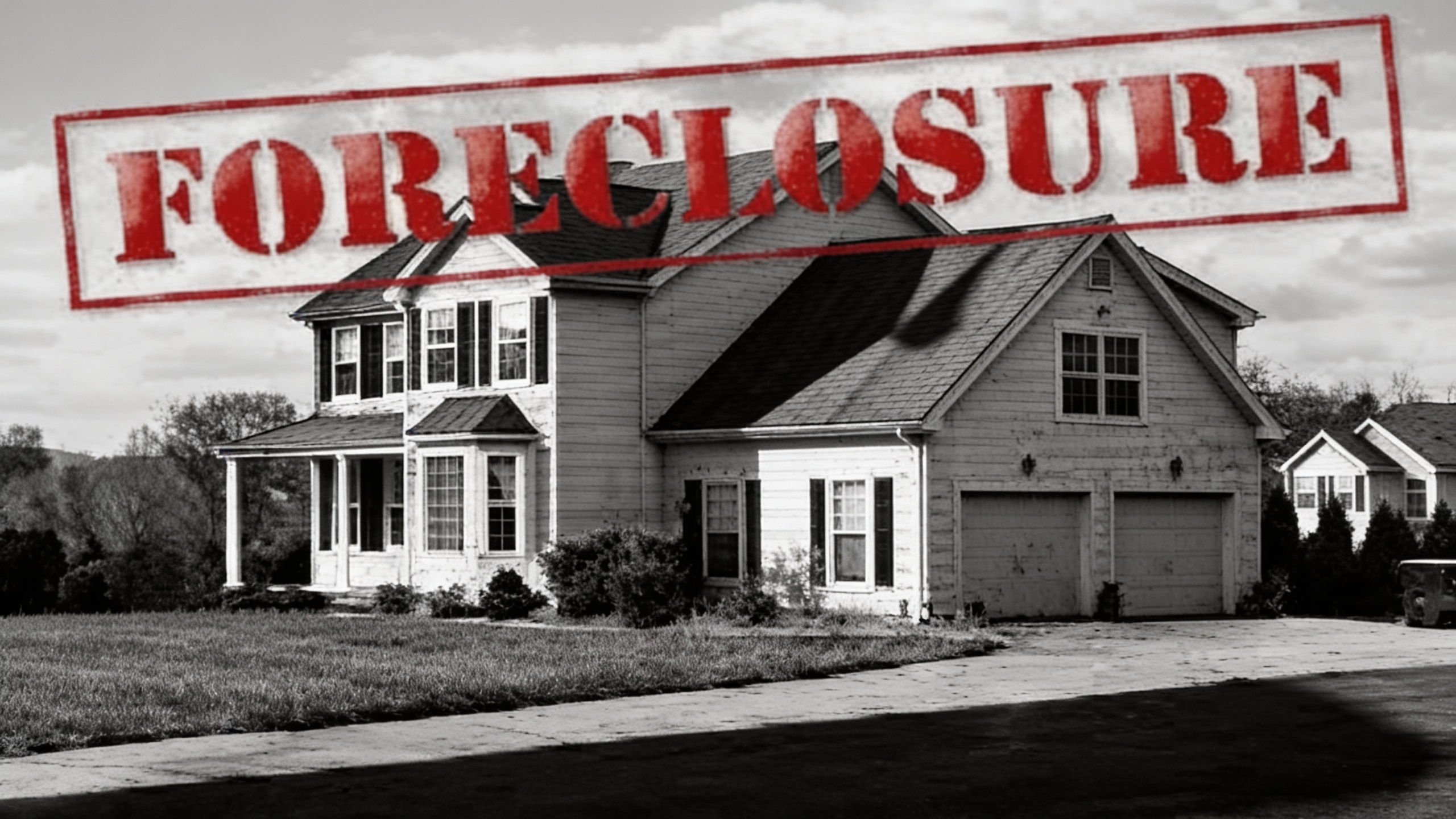
How to Save Your Home From Foreclosure in Georgia | Early Warning Signs and Options
How do you save your home from foreclosure in Georgia? Act before you get the notice of default - that is when you still have the most options. Warning signs include consistently making only minimum payments, getting a sick feeling when bills arrive, missing one payment and scrambling to cover the next. Options in order of urgency: cut all non-essential expenses immediately, call the mortgage company about loan remodification or a second loan to pay off high-interest debt, sell and downsize before the clock runs out, file Chapter 13 bankruptcy to restructure and buy time, or sell to a cash buyer which can close in as little as 10 days. In Georgia, you can sell the house all the way up to the first Tuesday foreclosure auction. Do not ignore the warning signs. Call Chris Tillman at (478) 273-8880.
How to Save Your Home From Foreclosure in Georgia Before It's Too Late
If you've been waking up in the middle of the night wondering how you're going to make your next mortgage payment - this is your wake-up call. Foreclosures don't happen overnight. There are warning signs that homeowners either miss completely or ignore until they're almost out of options. And by the time you get a notice of default in your mailbox, the clock is already running.
But you still have options. And the earlier you act, the more of them you have.
I'm Chris Tillman - real estate agent and investor in Middle Georgia for over 20 years. I go to the Houston County foreclosure auctions every single month. I watch houses go to the courthouse steps that didn't have to. I bought a house 48 hours before the foreclosure auction because the homeowner was in denial until the last possible second. Don't be that person. Call me at (478) 273-8880 and we'll figure out a plan.
Watch: How to Save Your Home Before It's Too Late - Foreclosure Options
The Warning Signs Most Georgia Homeowners Miss
Foreclosure rarely arrives without warning. The problem is most people don't recognize the signs for what they are until the situation has already become urgent. Here's what to watch for:
You're making minimum payments on everything: If you're paying only the minimum on every credit card, every car loan, every bill - and you still feel short - that's a structural problem, not a bad month. At 22 to 29% interest on credit cards, minimum payments barely cover the interest charges. You're not paying down debt, you're treading water while it rises.
You get a sick feeling when bills arrive: If opening the mail causes anxiety or you're leaving bills on the desk unopened because you know what's coming - that's not just stress, that's your financial system telling you something is wrong.
Every month is a scramble: One month you cover the mortgage. Next month you cover the electric bill but not the car payment. The month after that you catch up the car payment but miss the mortgage. This juggling act is sustainable for a few months. It is not a long-term solution and it always ends the same way.
You're financing daily expenses: If you're putting groceries and gas on a credit card because the checking account is empty before the next paycheck - that's the clearest possible signal that expenses and income are misaligned.
None of these alone means foreclosure is inevitable. All of them together mean you need to take action now, not later.
Stage 1 - Cut Expenses Before Anything Else
Before you call the mortgage company, before you talk to an attorney, before you do anything else - do a full audit of every dollar going out of your household every month. Pull your bank statement and go line by line. Write it all down.
You're looking for everything that isn't essential to keeping the house, keeping the lights on, getting to work, and feeding your family. Here's what that looks like in practice:
Streaming subscriptions - cancel all of them. Every one. A deck of cards costs $3 and lasts forever.
Daily coffee runs - a bag of coffee from the grocery store costs what two Starbucks drinks cost.
Eating out - cooking at home costs a fraction of restaurant meals even when you factor in groceries.
Convenience store purchases - water and energy drinks from a convenience store cost 3 to 4 times what they cost from a grocery store bought in bulk.
Subscriptions you forgot about - gyms, apps, services you signed up for and stopped using.
Electricity - wrapping the water heater, turning off lights in empty rooms, raising the thermostat two degrees in summer and lowering it two degrees in winter.
If you're in Warner Robins and you work at Robins Air Force Base - with the return to in-person work, a lot of people are back to daily commutes. Plan your errands. Consolidate your trips. One well-planned trip covers what used to take three separate drives. The gas savings are real and they add up fast.
Take every dollar you free up from cut expenses and apply it to your highest-interest debt first. Credit cards at 25% interest are costing you more every month you carry a balance than almost any other financial decision you're making. Pay those off before anything else that isn't the mortgage. Then snowball the extra payment to the next debt, and the next, until your monthly cash flow starts to breathe.
Stage 2 - Call the Mortgage Company Before They Call You
Most homeowners wait for the mortgage company to initiate contact. That is the wrong move. Call them first - while you still have a track record of mostly on-time payments, before you've missed multiple months, and before they've started the formal default process.
Ask specifically about two things:
Loan remodification: Some lenders will restructure your loan terms - extending the repayment period, lowering the interest rate, or rolling missed payments to the end of the loan. Not every lender does this and not every situation qualifies, but it costs nothing to ask and it's worth asking before you exhaust other options.
A second loan to consolidate high-interest debt: If you have equity in the house, you may be able to take out a second loan at a significantly lower interest rate than your credit cards are charging. If your credit cards are running at 22 to 25% and you can get a second mortgage at 6 to 8%, the math works in your favor - you consolidate the high-interest debt into the lower-rate loan, lower your total monthly payment, and apply the freed-up cash to the mortgage. The house becomes the solution instead of the problem.
Important caveat: this only works if you have equity and you actually stop accumulating new credit card debt after the consolidation. If you pay off the cards and then run them back up within a year, you've made the situation worse, not better.
Stage 3 - Consider Selling and Downsizing Before You Run Out of Time
If remodification isn't available and consolidation isn't possible - or if the math still doesn't work even after cutting every expense you can find - the next conversation is whether selling and buying something smaller is the right move.
This is not failure. This is financial triage. A smaller house with a payment you can actually make every month is a better outcome than losing the current house at auction and walking away with nothing.
If you're going this route, pay close attention to who you hire. I watched a situation play out a couple of months ago where a homeowner in pre-foreclosure listed with a real estate agent who didn't understand the foreclosure timeline. The house sat on the market for four months. There were smaller houses in the same price range that were selling - hers wasn't positioned correctly and wasn't moving. By the time it became clear the house wasn't going to sell in time, the foreclosure date had passed. She lost the house. It didn't have to happen.
If you're selling under a foreclosure deadline, you need an agent who understands the Georgia foreclosure timeline specifically - how the notice of default, the four-week newspaper publication period, and the first Tuesday auction date interact with a typical 30 to 45-day closing process. Most agents don't. I do. More on the timeline at our Georgia foreclosure timeline blog and our Georgia foreclosure help hub.
Stage 4 - If You've Already Received a Notice of Default
If the notice of default has arrived, the clock is officially running. Georgia is a non-judicial foreclosure state - the lender doesn't need a court order to foreclose. From the notice of default, you typically have four weeks before the first Tuesday auction date. That is not a lot of runway.
Here are your remaining options at this stage:
Option A - Reinstate the Loan
If you can come up with all missed payments, late fees, and attorney fees to bring the loan current before the auction date, you can stop the foreclosure entirely. This requires the full amount - not a partial payment, not a payment plan - the complete amount to bring the loan back to current standing. If you have access to family funds, retirement savings, or another source of capital, this is the cleanest outcome.
Option B - Cash Sale Before the Auction
You can sell your house all the way up to the moment the trustee outcries the debt on the courthouse steps on the first Tuesday. A cash sale can close in 10 to 14 days - fast enough to beat the auction if you act in the first two weeks after receiving the notice. The proceeds pay off the mortgage and you walk away with whatever equity was left. This is almost always a better financial outcome than letting the auction complete. Call me the day you get the notice (478) 273-8880. More at our cash offer page.
Option C - Bankruptcy as a Last Resort
Filing bankruptcy triggers an automatic stay that immediately halts the foreclosure process. There are two types relevant here:
Chapter 7:Liquidates most unsecured debt - credit cards, medical bills, personal loans. Buys you time but does not create a path to keeping the house if you can't afford the payments.
Chapter 13:Restructures your finances into a court-approved repayment plan over 3 to 5 years. If approved, you can catch up on missed mortgage payments within the plan while keeping the house. This is a viable path if your income supports it and you want to stay in the home. It stays on your credit report for 7 years.
Bankruptcy is a serious decision with long-term financial consequences. Talk to a Georgia bankruptcy attorney before making any decision. I can provide a referral to a local attorney if you need one - call me (478) 273-8880.
Warning - Foreclosure Scams in Middle Georgia
When you're in a distressed situation, you're a target. There are people and companies that advertise foreclosure help specifically to exploit homeowners who are desperate and running out of time.
Red flags to watch for:
Any company that asks for money upfront: A legitimate cash buyer makes you an offer and pays you at closing. They do not charge you fees to evaluate your property or make an offer. If someone wants money from you before they've bought anything, walk away.
No online presence or reviews: Search the company name before you sign anything. A legitimate local real estate investor has a track record, has reviews, and has a verifiable history of buying properties in your area.
Out-of-state companies with no local knowledge: Someone calling from a national call center who has never seen your neighborhood doesn't know what your house is worth in today's Middle Georgia market. Work with someone local who knows Houston County.
Pressure to sign quickly with no time to review: A legitimate buyer gives you time to review an offer. Pressure to sign immediately without reading is a serious red flag.
I'm local. I've been in this market for over 20 years. I go to the foreclosure auctions in Houston County every month. When I make a cash offer on your house, I'm the one buying it - not assigning the contract to someone you've never met. Call me at (478) 273-8880 and we'll have a real conversation about your situation.
Frequently Asked Questions - Saving Your Home From Foreclosure in Georgia
What are the early warning signs of foreclosure in Georgia?
Early warning signs include making only minimum payments on all debts, feeling anxious when bills arrive or leaving them unopened, consistently juggling which bills to pay each month, financing daily expenses like groceries on credit cards, and finding that your expenses consistently exceed your income. None of these alone triggers foreclosure - but all of them together mean the financial system is under stress and needs to be addressed before a missed mortgage payment starts the formal process. Call (478) 273-8880 for a free consultation.
What should I do first if I'm falling behind on my mortgage in Georgia?
Cut all non-essential expenses immediately - subscriptions, daily coffee, eating out, convenience store purchases, any discretionary spending you can eliminate. Apply every freed-up dollar to your highest-interest debt first. Then call your mortgage company before you've missed multiple payments and ask specifically about loan remodification and restructuring options. The earlier you call, the more options are available. Do not wait for them to contact you. Call (478) 273-8880 if you need help assessing your situation.
Can I sell my house if it's already in foreclosure in Georgia?
Yes. In Georgia you can sell your house all the way up to the moment the trustee outcries the debt on the courthouse steps on the first Tuesday auction date. A cash sale can close in 10 to 14 days - fast enough to beat the auction if you act quickly after receiving your notice of default. Call (478) 273-8880 immediately. More at our Georgia foreclosure help page and our cash offer page.
What is the difference between Chapter 7 and Chapter 13 bankruptcy for Georgia homeowners?
Chapter 7 liquidates most unsecured debt - credit cards, medical bills, personal loans. It buys time through an automatic stay that halts foreclosure but does not create a path to keeping the house if you cannot afford the payments. Chapter 13 restructures your finances into a court-approved repayment plan over 3 to 5 years and allows you to catch up on missed mortgage payments within the plan while keeping the home - if your income supports it. Both stay on your credit report for years. Consult a Georgia bankruptcy attorney before making any decision.
How do I spot foreclosure scams in Georgia?
Legitimate cash buyers do not charge upfront fees - they make you an offer and pay you at closing. Watch for companies with no verifiable online presence or reviews, out-of-state callers with no local market knowledge, and anyone pressuring you to sign quickly without time to review. Work with a local real estate investor who has a documented track record in your specific market. Call (478) 273-8880 - I've been in Middle Georgia for over 20 years and go to the Houston County foreclosure auctions every month.
What is loan remodification and does it help with foreclosure in Georgia?
Loan remodification is a restructuring of your existing mortgage terms - extending the repayment period, lowering the interest rate, or rolling missed payments to the end of the loan. Not every lender offers it and not every situation qualifies, but it costs nothing to ask and should be one of the first calls you make when you recognize you're falling behind. Call your lender directly and ask specifically about remodification options before missed payments have accumulated into a formal default.